A whining, grinding, or squealing noise coming from under the hood? If it changes pitch with engine RPM, there's a good chance your alternator bearing is failing. This guide covers everything you need to know about alternator bearing noise — from diagnosis to replacement options.
What Does a Bad Alternator Bearing Sound Like?
Alternator bearing noise has distinct characteristics that set it apart from other engine noises:
Whining or humming that increases in pitch as engine RPM increases. This is the most common early symptom — the bearing has lost some of its lubrication, causing metal-on-metal friction.
Grinding or rumbling — a more severe symptom indicating significant bearing wear. The balls or rollers are no longer rolling smoothly on the bearing races. At this stage, replacement is urgent.
Squealing on startup that goes away after a few seconds can be either a worn bearing or a loose belt. To distinguish between the two: a belt squeal often changes or stops when you spray water on the belt, while bearing noise remains constant.
How to Diagnose a Bad Alternator Bearing
Before replacing parts, confirm the alternator bearing is actually the problem. Here's a step-by-step diagnostic process:
Step 1: Locate the noise. With the engine running, use a mechanic's stethoscope or a long screwdriver (place the tip on the alternator housing and the handle against your ear) to isolate the noise source. Compare the sound from the alternator to other accessories (water pump, power steering pump, A/C compressor).
Step 2: Check belt tension. A loose or misaligned belt can create noise that mimics a bad bearing. Inspect belt tension and alignment first.
Step 3: Remove the belt and spin by hand. With the engine off, remove the serpentine belt and spin the alternator pulley by hand. A healthy bearing should spin freely and silently. Any roughness, grinding feel, or wobble confirms a bad bearing.
Step 4: Check for play. Grip the alternator pulley and try to wiggle it. Any lateral or axial play indicates worn bearings.
What Causes Alternator Bearings to Fail?
Alternator bearings typically last 100,000-150,000 miles, but several factors can shorten their life:
Heat: The alternator generates significant heat during operation. Combined with engine bay temperatures, bearings can operate at 100-120°C continuously. Over time, this degrades the grease and seal materials.
Contamination: Road spray, dust, and oil mist can penetrate the bearing seals, especially after years of exposure. Once contaminants enter the bearing, wear accelerates rapidly.
Overcharging: An overloaded electrical system forces the alternator to work harder, increasing bearing loads and heat generation.
Belt tension: Excessive belt tension increases the radial load on the bearing beyond its design capacity, leading to premature fatigue.
Replace the Bearing or the Whole Alternator?
This depends on the alternator's overall condition and the economics of repair:
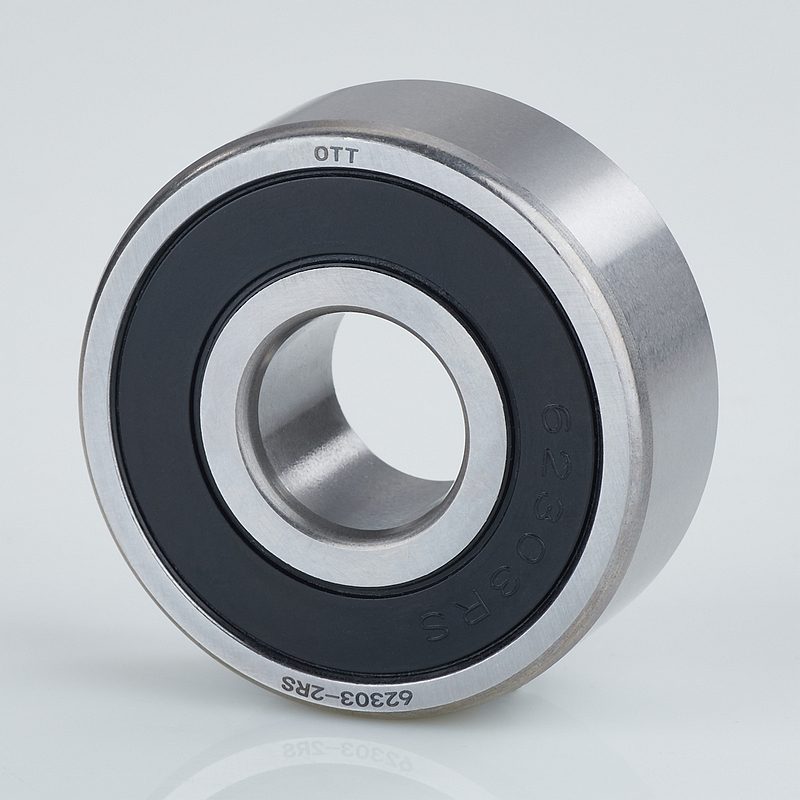
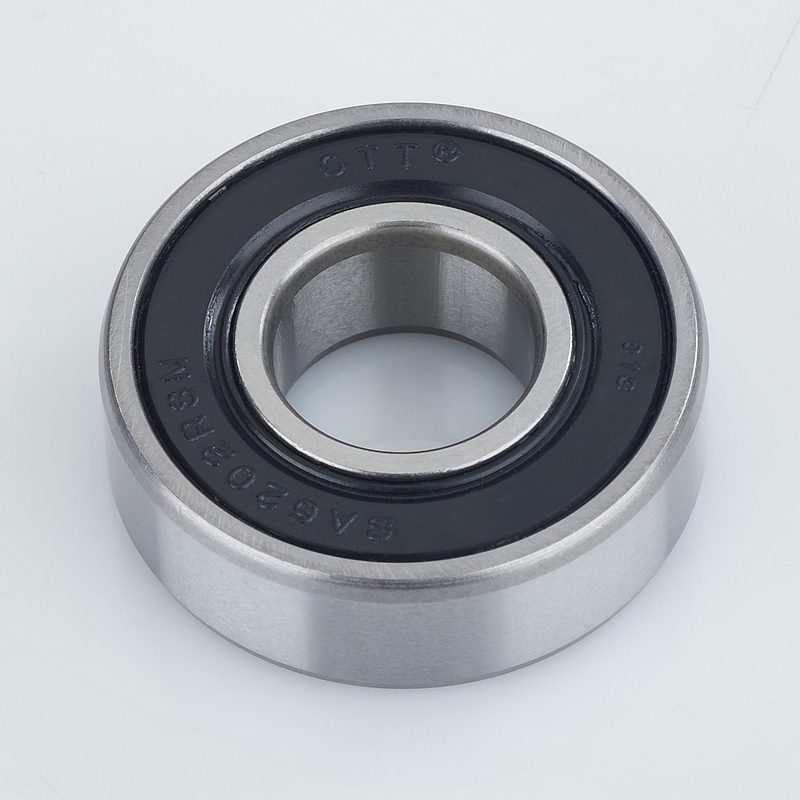
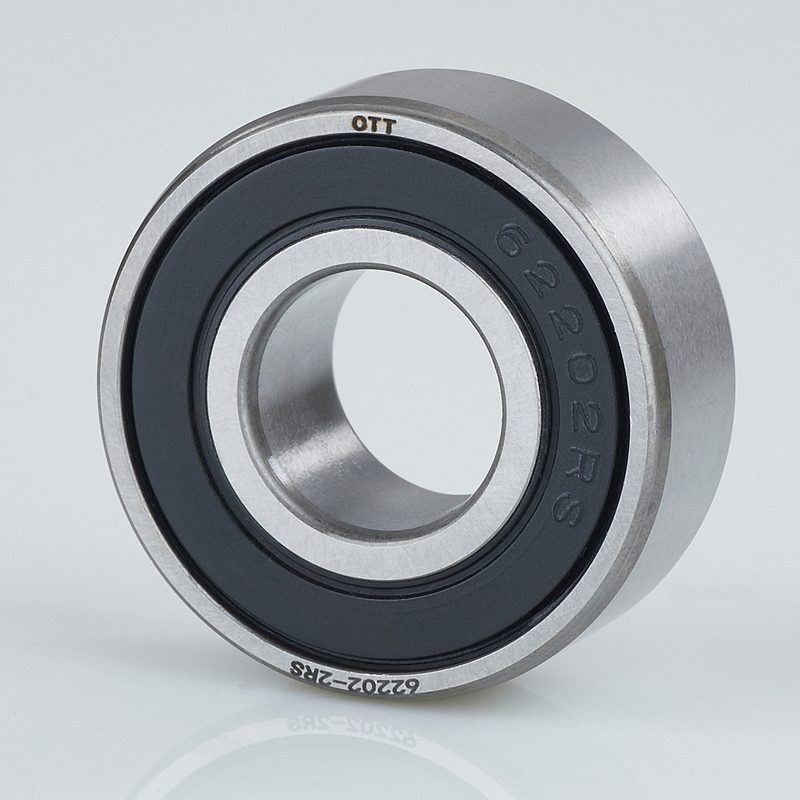
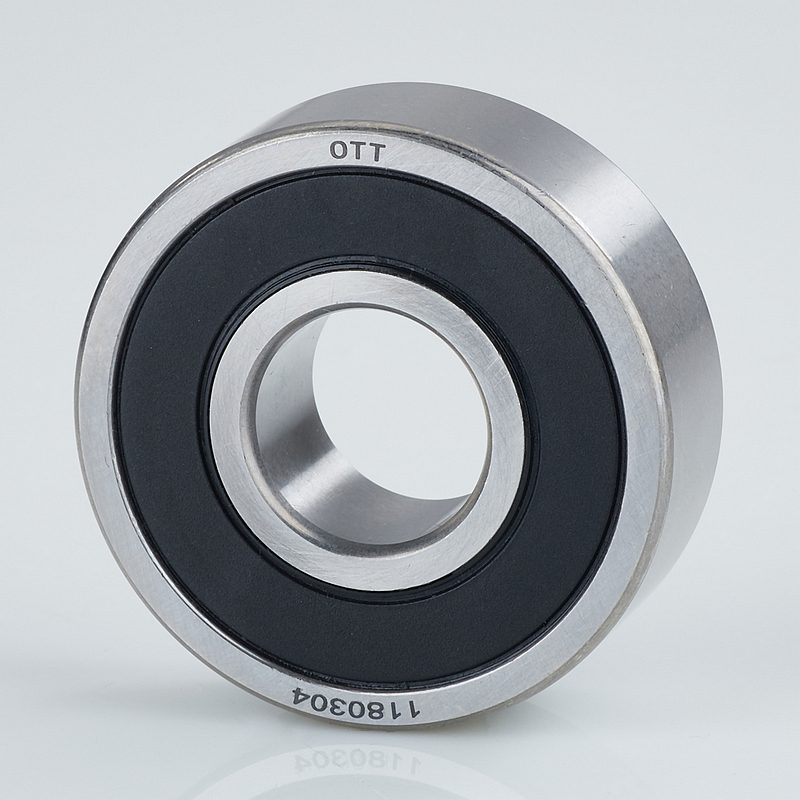
Replace just the bearings if the alternator is otherwise healthy (good brushes, intact windings, functioning voltage regulator). Alternator bearings are standard deep groove ball bearings — typically 6303 (17×47×14mm) for the drive end and 6201 or 6202 for the rear end. A bearing swap costs a fraction of a new alternator.
Replace the whole alternator if the unit has high mileage (150,000+ miles), shows signs of electrical problems (inconsistent charging, warning light), or if the labor cost of a bearing swap approaches the cost of a remanufactured unit.
Specifications That Matter for Alternator Bearings
When sourcing replacement alternator bearings, these specifications determine performance and longevity:
Noise grade: Z3V3 or better. Alternator bearings spin at thousands of RPM — any bearing imperfection creates audible noise amplified by the alternator housing. Standard industrial bearings may work dimensionally but produce unacceptable noise levels.
Seal type: 2RS (rubber contact seals) for maximum contamination resistance, or ZZ (metal shields) for slightly lower friction. Some applications use a combination — sealed on the external side, shielded on the internal side.
Temperature rating: The grease must maintain lubricity up to 130°C. Standard mineral-based greases degrade above 100°C. Synthetic or semi-synthetic greases are preferred for alternator applications.
Cold-start capability: In cold climates, the bearing must allow the alternator to spin freely even at extreme low temperatures. Quality alternator bearings are rated for cold starts down to -40°C or lower.
FAQ
Q: Can I drive with a bad alternator bearing?
Temporarily, yes — but not for long. A failing bearing will eventually seize, which can snap the serpentine belt, disable all engine accessories, and leave you stranded. Worse, a seized alternator bearing can damage the belt tensioner and other pulleys. Replace it as soon as possible.
Q: How long does it take to replace alternator bearings?
A skilled mechanic can swap alternator bearings in 1-2 hours. The alternator must be removed, disassembled, bearings pressed out and new ones pressed in, then reassembled and reinstalled. This is more labor-intensive than simply swapping the whole alternator unit.
Q: Are OTT alternator bearings compatible with Bosch and Denso alternators?
Yes. OTT alternator bearings are manufactured to the same dimensional standards as OEM bearings and include cross-reference numbers for Bosch, Hitachi, Mitsubishi, Nippondenso, Delco, and other major alternator brands. Our bearings have passed a 1,004-hour endurance test — far exceeding typical OEM requirements.
---
OTT manufactures ultra-low noise alternator and starter bearings with Z3V3 vibration grade. Every bearing undergoes 100% vibration testing before shipment. Our alternator bearings are validated for cold starts down to -60°C. View our alternator bearing catalog or request a quote.