Denso is one of the world's largest automotive component manufacturers, and their alternators are found in vehicles from Toyota, Honda, Lexus, Subaru, and many others. When a Denso alternator bearing starts to fail — producing that characteristic whining or grinding noise — you have two options: replace the entire alternator, or replace just the bearings.
Replacing the bearings is almost always the better economic choice. This guide gives you the cross-reference information to find the right replacement bearings for common Denso alternators.
Denso Alternator Bearing Basics
Every Denso alternator uses two bearings:
Drive End (DE) Bearing: Mounted on the pulley side of the alternator. This bearing handles the majority of the load — it supports both the radial load from belt tension and the weight of the pulley assembly. It's always the larger of the two bearings.
Slip Ring End (SRE) Bearing: Mounted on the brush/regulator side. This bearing carries less load but operates in a higher-temperature environment near the voltage regulator and diode rectifier. It's always the smaller bearing.
Common Denso Alternator Bearing Sizes (Cross-Reference)
The following table covers the most common Denso alternators found in Japanese-brand vehicles. Confirm by measuring your existing bearings (ID × OD × Width in mm):
| Denso Alternator | Application (Common) | DE Bearing | SRE Bearing |
|---|---|---|---|
| 100211-0860 | Toyota Camry 2.4L | 6303 (17×47×14) | 6201 (12×32×10) |
| 100211-1330 | Toyota Corolla 1.8L | 6303 (17×47×14) | 6201 (12×32×10) |
| 100211-2010 | Toyota RAV4 2.4L | 6304 (20×52×15) | 6201 (12×32×10) |
| 100211-3390 | Honda Civic 1.5L | 6303 (17×47×14) | 6202 (15×35×11) |
| 100211-4800 | Honda CR-V 2.4L | 6304 (20×52×15) | 6202 (15×35×11) |
| 100211-8010 | Subaru Legacy 2.5L | 6303 (17×47×14) | 6202 (15×35×11) |
| 100211-9820 | Lexus ES350 3.5L | 6305 (25×62×17) | 6202 (15×35×11) |
| 100211-7870 | Toyota Tundra 4.7L | 6305 (25×62×17) | 6203 (17×40×12) |
| 101211-3930 | Toyota Hilux (diesel) | 6304 (20×52×15) | 6202 (15×35×11) |
| 102211-0870 | Toyota Land Cruiser | 6305 (25×62×17) | 6203 (17×40×12) |
Note: Verify by measurement. Denso produces multiple variants of each alternator with different bearing configurations. The OEM part number on the alternator tag and direct measurement are the most reliable sources.
How to Measure Your Alternator Bearings
If you have the old bearings in hand:
- Inner Diameter (ID): Measure the bore of the bearing (where the shaft goes through)
- Outer Diameter (OD): Measure the outside diameter of the bearing
- Width (W): Measure the bearing thickness
The bearing designation follows the format: 6XXX where the last two digits encode the bore size (×5mm for the 6300 series). For example:
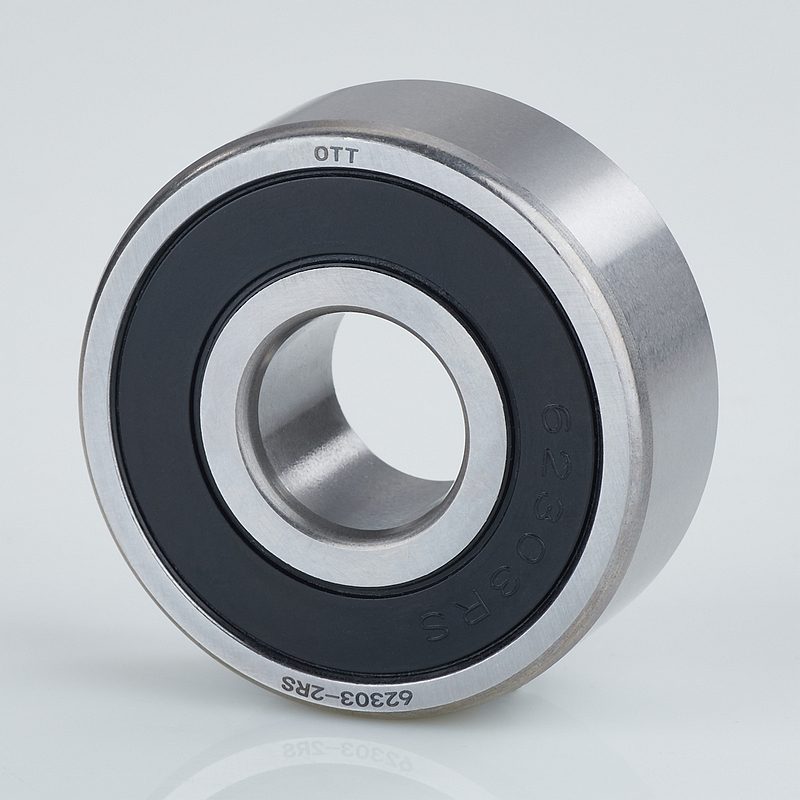
- 6303: 17mm bore × 47mm OD × 14mm width
- 6304: 20mm bore × 52mm OD × 15mm width
- 6305: 25mm bore × 62mm OD × 17mm width
These are all standard ISO dimensions, meaning any reputable bearing manufacturer's 6303 or 6304 will fit.
Quality Specifications for Denso Alternator Bearings
This is where quality matters significantly. Not all 6303 bearings are equal for alternator use:
Noise Grade — Z3V3 minimum: Alternators spin at 2–3× engine speed due to the pulley ratio. At 2,000 RPM engine speed, the alternator rotor spins at 6,000–8,000 RPM. Any bearing imperfection is amplified at these speeds. Standard industrial bearings (Z1V1) will produce audible noise in an alternator; automotive-grade Z3V3 or better is required.
Grease Temperature Rating — 130°C+: The alternator generates significant heat internally, and combined with engine bay temperatures, bearing grease can reach 120–130°C in sustained use. Standard greases degrade above 100°C. Look for synthetic or semi-synthetic high-temperature grease.
Seal Type — 2RS preferred: Double rubber contact seals (2RS) provide the best contamination resistance. Metal shield (ZZ) bearings are acceptable but offer slightly lower contamination protection. For the DE bearing particularly, 2RS is recommended due to its closer proximity to road environment contamination paths.
Cold Start Capability: In cold climates, the bearing must allow smooth rotation at temperatures as low as -40°C. Quality bearings are tested for low-temperature torque to ensure easy cold starts.
Alternator Bearing Replacement Procedure (Denso)
Replacing Denso alternator bearings is a precision job but entirely manageable with the right tools:
Tools needed: Snap ring pliers, bearing press (or bearing separator + hydraulic press), Torx or hex bit set, multimeter (to verify output after reassembly).
General procedure:
- Remove the alternator from the vehicle (disconnect battery first)
- Remove the pulley nut and pulley from the rotor shaft
- Disassemble the alternator by removing the through-bolts connecting front and rear housings
- Separate the front housing, rotor, and rear housing
- Remove snap rings (if present) retaining the bearings in their housings
- Press out the old DE bearing from the front housing
- Press out the old SRE bearing from the rear housing
- Press new DE bearing into front housing (ensure it seats fully and squarely)
- Press new SRE bearing into rear housing
- Reassemble in reverse order, torque all fasteners to specification
- Reinstall pulley and test bench or vehicle output
Important: Never strike a bearing directly with a hammer. Always press on the outer race when pressing into a housing, and on the inner race when pressing onto a shaft.
When to Replace Bearings vs. Replace the Alternator
Replace just the bearings when:
- The alternator is otherwise in good condition (brushes are good, voltage output is correct, no internal burning smell)
- The vehicle has under 150,000 miles
- You have the tools or a shop willing to do the repair
Replace the entire alternator when:
- The brushes are worn to minimum length
- The voltage regulator is faulty (irregular charging)
- The diode rectifier has failed (AC ripple in the DC output)
- The alternator has been overheated or shows internal damage
- A quality remanufactured alternator is available at a price close to the bearing repair cost
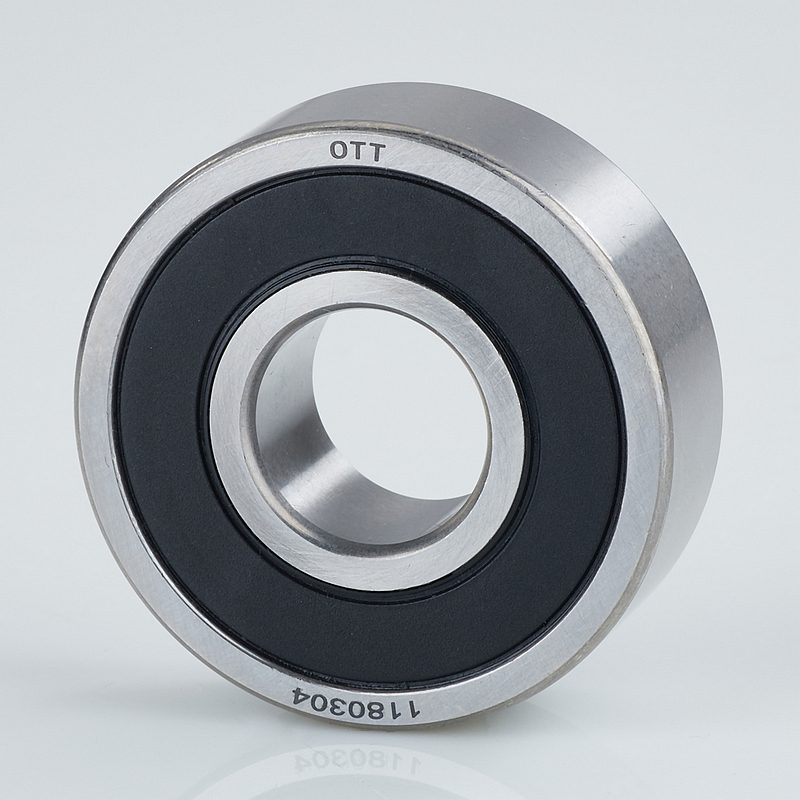
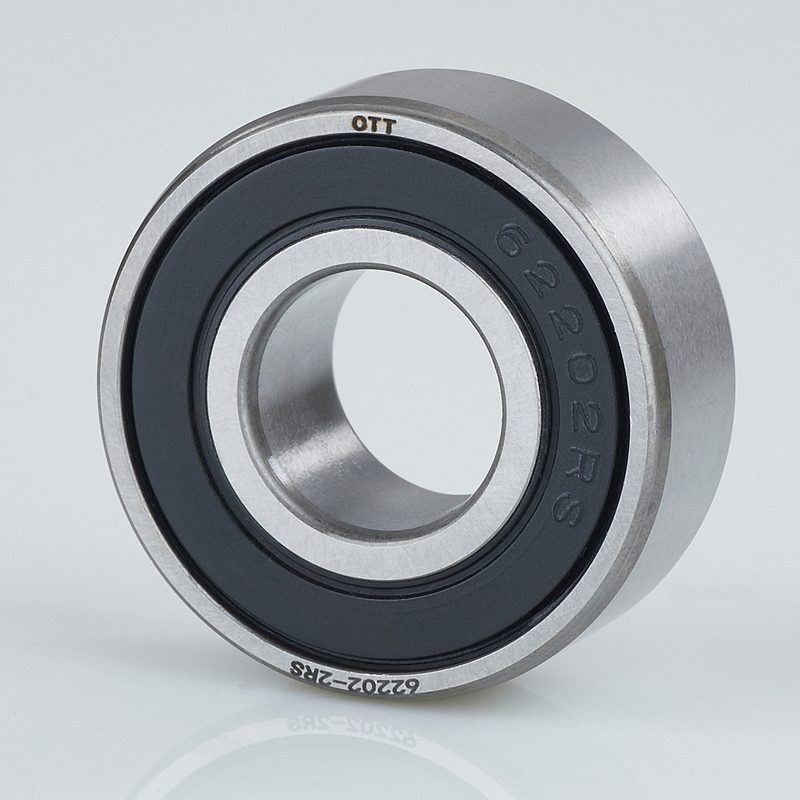
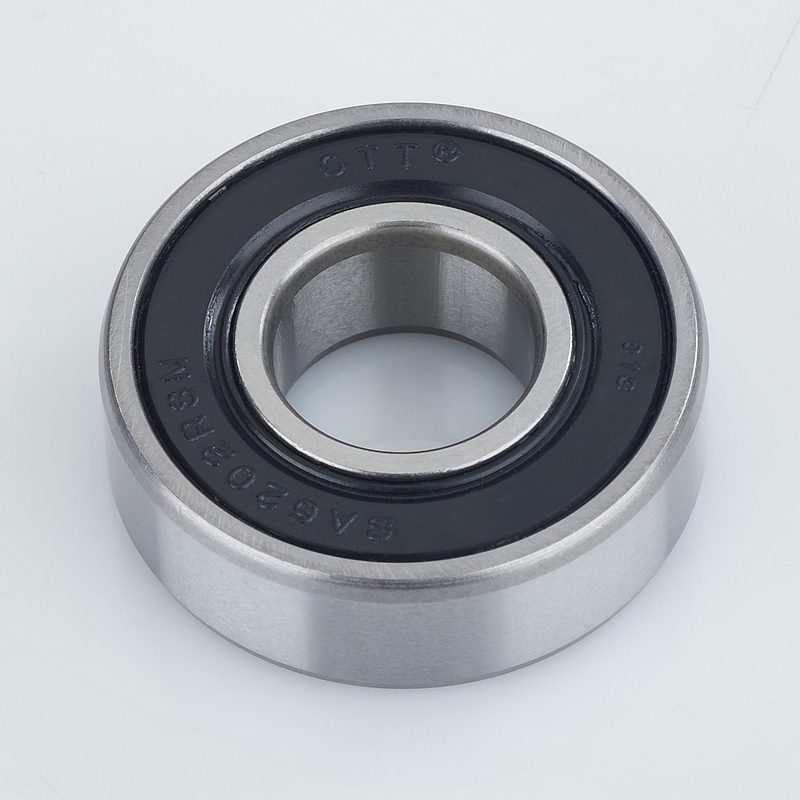
For fleet operators, heavy vehicle operators, or shops doing high volumes of alternator repairs, OTT's alternator bearing kits — matched DE and SRE bearing sets for common Denso applications — simplify sourcing with verified specifications and guaranteed fitment.
OTT Denso Alternator Bearing Kits
OTT manufactures deep groove ball bearings specifically for automotive alternator applications:
- Noise grade: Z3V3 (automotive standard)
- Heat treatment: C-A Carbonitriding for 5–10× longer fatigue life vs. standard bearings
- Grease: High-temperature synthetic, rated to 130°C
- Temperature range: -40°C to +130°C
- Passed: 1,004-hour endurance test by Russian OEM customer
We offer matched bearing kits (DE + SRE set) for common Denso applications. Contact us for cross-reference pricing or to verify fitment for specific alternator part numbers.