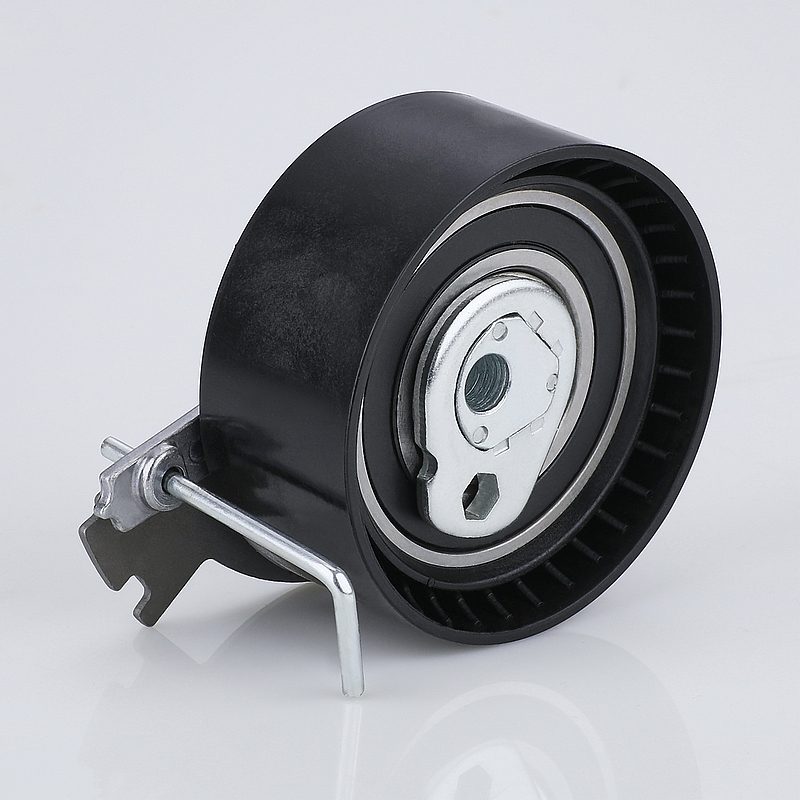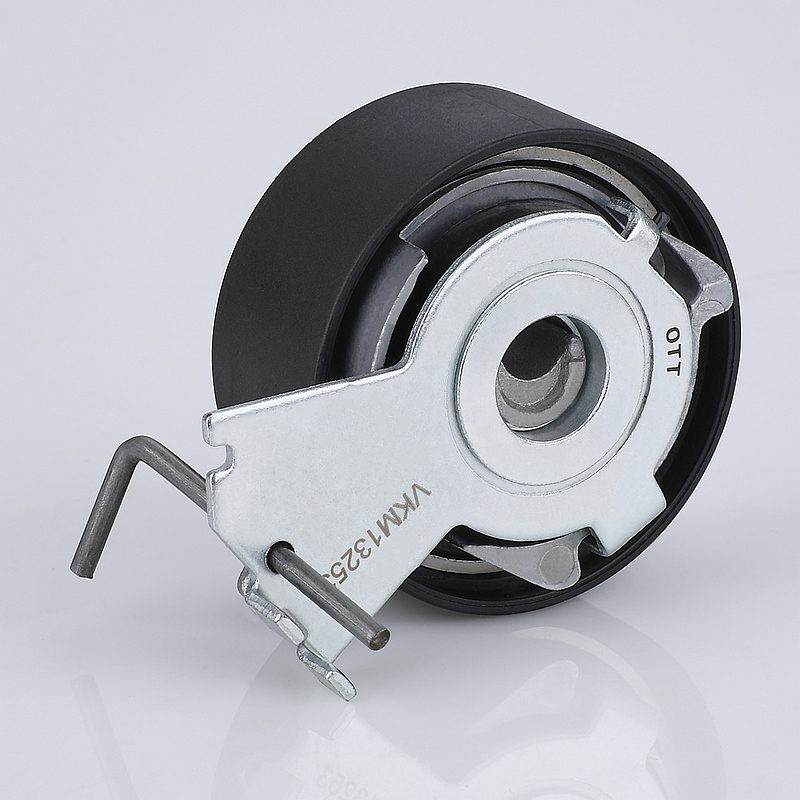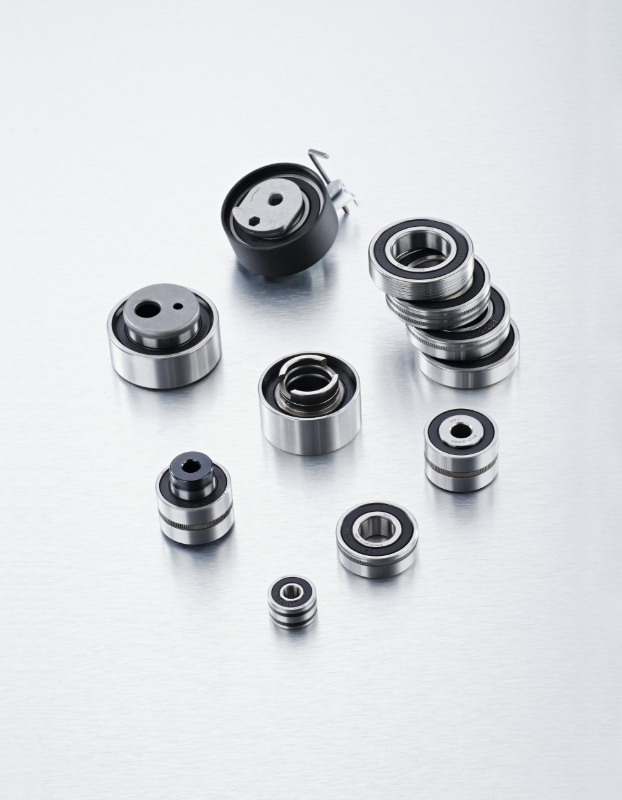
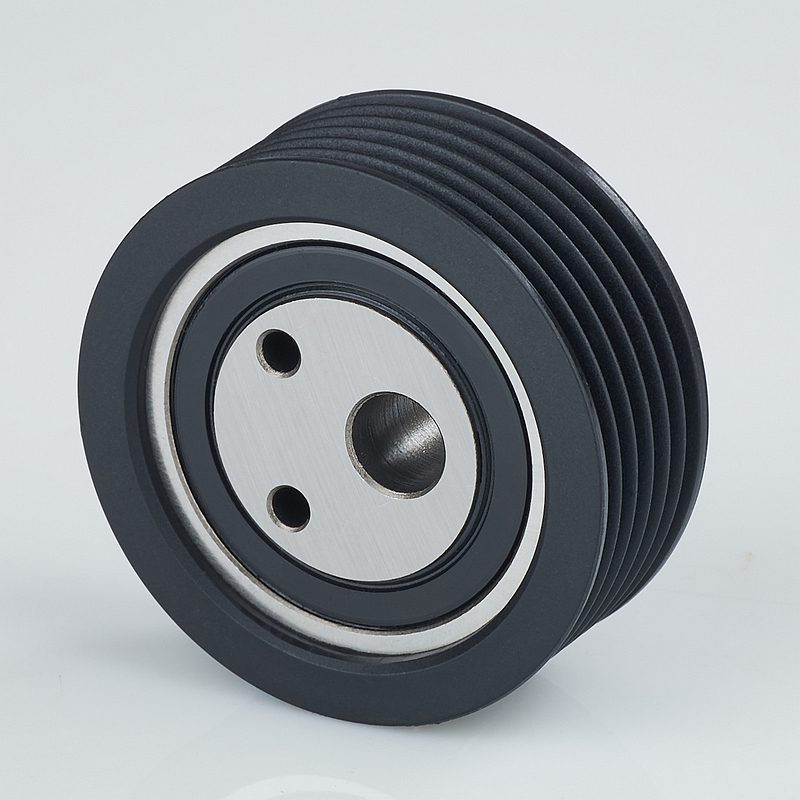
The belt tensioner is one of the most overlooked components in an engine's accessory drive system — until it fails. At the heart of every tensioner pulley sits a bearing that enables smooth, friction-free rotation. Understanding how this bearing works, when it fails, and what makes a quality replacement can save you from costly engine damage.
What Is a Tensioner Bearing?
A tensioner bearing is a deep groove ball bearing pressed into the tensioner pulley wheel. It allows the pulley to rotate freely around a fixed bolt, shaft, or tensioner arm while maintaining constant tension on the serpentine or timing belt.
The bearing serves three critical functions: it reduces friction between the rotating pulley and the fixed mounting shaft, supports the radial load caused by belt tension (typically 50-150 lbs of force), and helps the pulley maintain stable contact with the belt surface.
Timing Belt vs. Serpentine Belt Tensioners
These two systems use different tensioner designs, but both rely on the same fundamental bearing technology.
Timing belt tensioners maintain tension on the engine's timing belt, which synchronizes crankshaft and camshaft rotation. Because timing belt failure can cause catastrophic engine damage (bent valves, damaged pistons), the tensioner bearing in this system is safety-critical. Timing belt tensioners often use eccentric adjustment mechanisms.
Serpentine belt tensioners maintain tension on the accessory drive belt that powers the alternator, water pump, power steering pump, and A/C compressor. These tensioners typically use a spring-loaded arm with an automatic tensioning mechanism. While serpentine belt failure won't destroy the engine, it will disable all accessories — including the water pump, which can lead to overheating.
Signs of a Failing Tensioner Bearing
The bearing inside your tensioner pulley will eventually wear out. Here's how to recognize the symptoms before a catastrophic failure:
Noise: The most common early warning sign. A worn tensioner bearing produces a grinding, rumbling, or whining noise that increases with engine RPM. Unlike belt squeal (which often stops when the engine warms up), bearing noise tends to persist and worsen over time.
Vibration: A failing bearing causes the pulley to wobble slightly, which creates visible belt flutter or vibration that you can feel through the engine.
Belt wear: Uneven or accelerated belt wear patterns can indicate a misaligned tensioner pulley caused by a worn bearing.
Rough rotation: With the belt removed, spin the tensioner pulley by hand. A healthy bearing should rotate smoothly and quietly. Any roughness, grinding, or play indicates the bearing needs replacement.
Replacement Intervals
Most vehicle manufacturers recommend inspecting the tensioner at every belt replacement interval. General guidelines suggest replacing the tensioner assembly (including the bearing) every 60,000-100,000 miles for serpentine belt systems, and always replacing the tensioner when changing a timing belt.
For commercial vehicles and fleet applications, proactive replacement at 80,000 miles is common practice to avoid roadside breakdowns.
What Makes a Quality Tensioner Bearing?
Not all replacement bearings are equal. Here's what to look for when sourcing tensioner bearings for manufacturing or aftermarket distribution:
Temperature resistance: Tensioner bearings operate near the engine, where temperatures can reach 130°C. The bearing must use high-temperature grease and heat-resistant seal materials (NBR minimum, ACM or FKM preferred for hot environments).
Seal quality: Double or triple lip seals are essential for retaining grease over the bearing's service life. Single-lip seals allow grease migration and premature failure.
Load capacity: The bearing must handle continuous radial loads from belt tension without premature fatigue. Dynamic load ratings should match or exceed the OEM specification.
Vibration dampening: Engine vibrations are transmitted through the tensioner arm to the bearing. Quality bearings are manufactured with tighter tolerances to minimize additional vibration.
FAQ
Q: Can I replace just the bearing inside a tensioner pulley?
Yes, if the pulley housing is in good condition. Press out the old bearing and press in a new one using a socket that matches the bearing's outer race diameter. However, many mechanics prefer replacing the complete tensioner assembly for reliability.
Q: How do I know what size tensioner bearing I need?
The bearing model number is usually stamped on the bearing's outer shield. Common tensioner bearing sizes include 6202 (15×35×11mm), 6203 (17×40×12mm), 6006 (30×55×13mm), and 6007 (35×62×14mm). Your vehicle's service manual will specify the correct bearing.
Q: Are aftermarket tensioner bearings as good as OEM?
Quality aftermarket bearings manufactured to the same dimensional and tolerance standards (P6 grade or better) can match OEM performance. Look for manufacturers with IATF 16949 certification — this automotive quality standard ensures consistent manufacturing processes.
---
OTT Bearing is a leading tensioner bearing manufacturer in China, supplying OEM-grade bearings to tensioner pulley assembly plants worldwide. Our tensioner bearings have passed 500+ hours of continuous life testing, matching import-replacement quality. View our tensioner bearing catalog or contact us for cross-reference and pricing.