If you're hearing a grinding or humming noise from one of your wheels that changes with speed, you're likely dealing with a failing wheel hub bearing. It's one of the most common suspension repairs — and fortunately, one of the more straightforward ones on modern vehicles.
This guide covers everything: how to identify a bad hub bearing, what replacement actually costs, and what the repair process involves.
What Is a Wheel Hub Bearing?
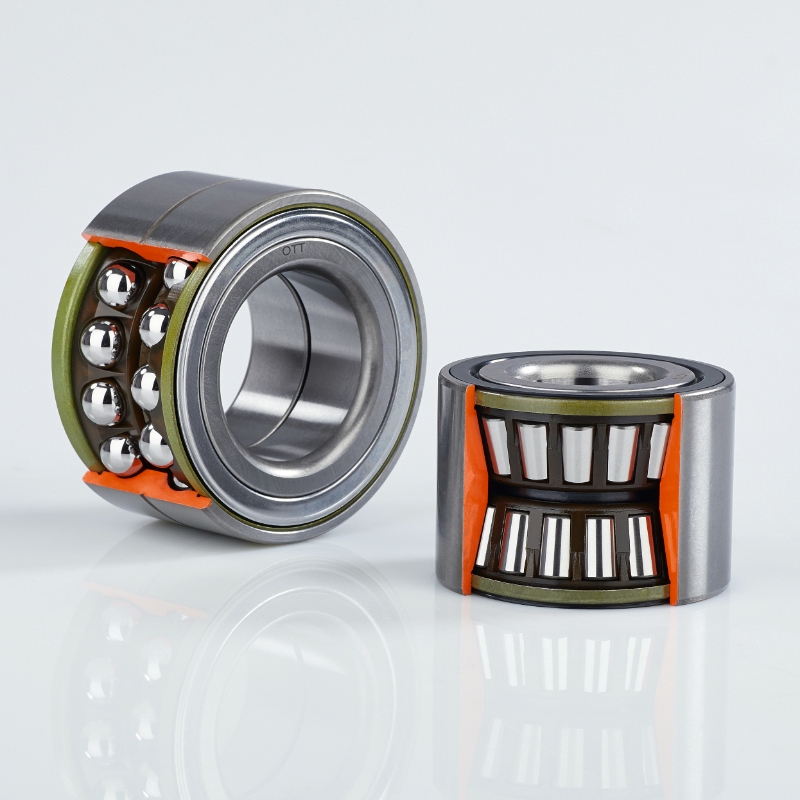
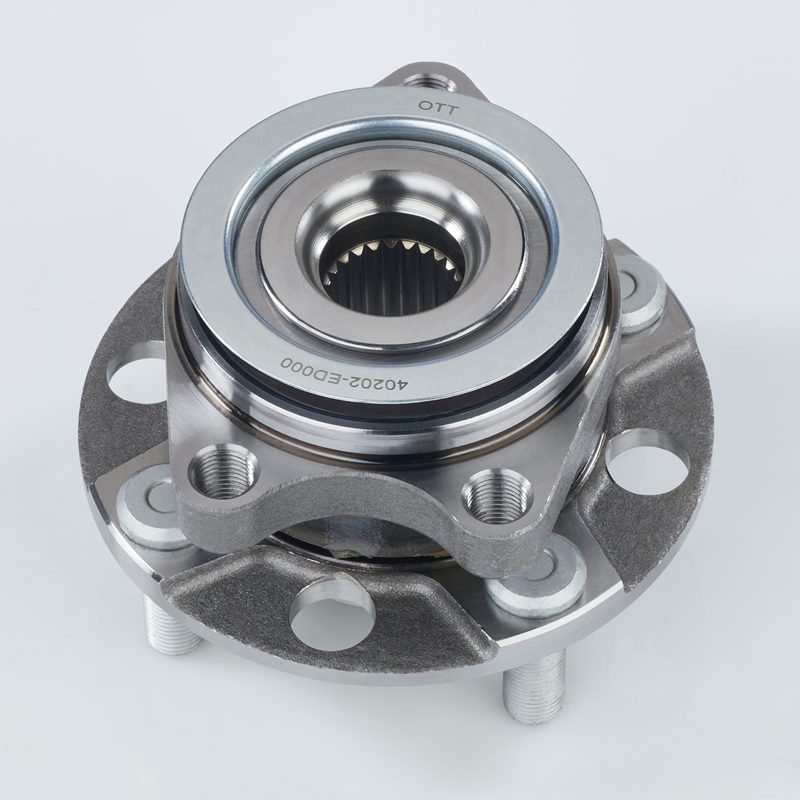
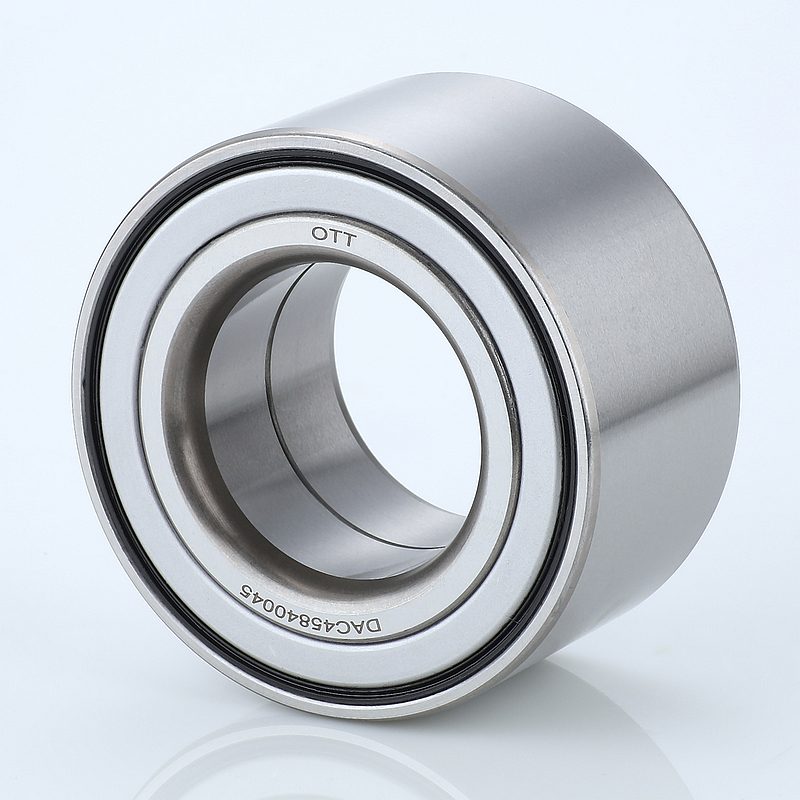
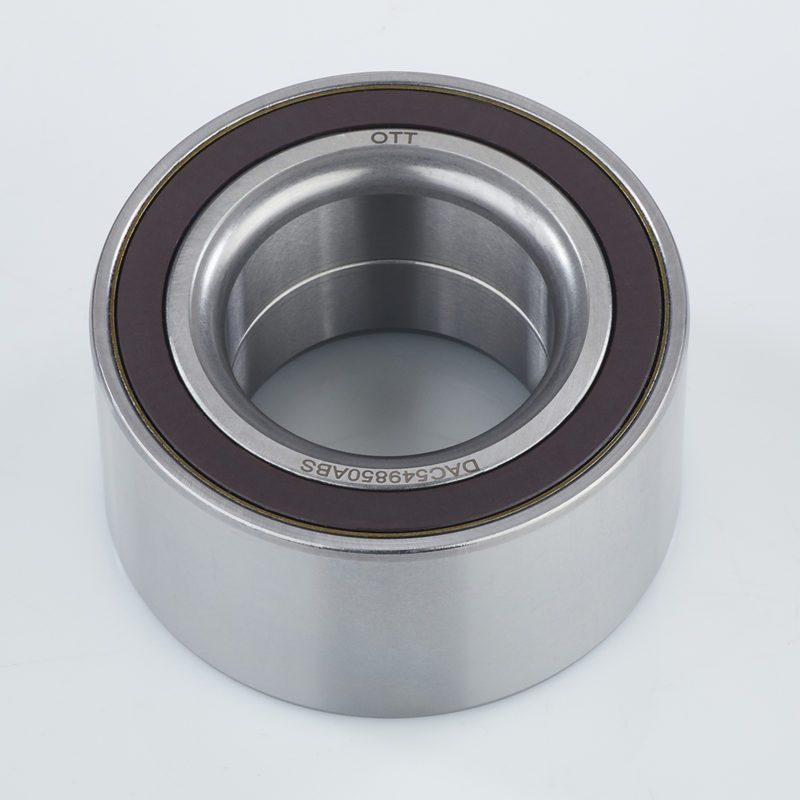
The wheel hub bearing is a precision component that allows the wheel to rotate freely while supporting the full weight of the vehicle. On modern vehicles, it's typically a pre-assembled hub bearing unit (also called a hub assembly or Generation 3 bearing) that combines the bearing, hub, and ABS sensor ring into a single sealed unit.
This integrated design replaced the older loose tapered roller bearing setup that required periodic adjustment and lubrication. Sealed hub units are maintenance-free and last the life of the bearing — when they wear out, the entire unit is replaced.
Symptoms of a Failing Wheel Hub Bearing
1. Grinding or Humming Noise
The most reliable indicator is a persistent grinding, humming, or rumbling noise that:
- Increases with vehicle speed
- May decrease or increase when turning slightly (load shift between bearings)
- Doesn't go away after the engine warms up or tires are properly inflated
Early-stage bearing wear produces a subtle hum that's easy to dismiss as road noise. As wear progresses, the noise becomes unmistakably rough.
2. Noise Changes When Cornering
Swerve gently at 50–60 mph on a clear road. If the noise changes:
- Gets louder swerving LEFT → right side bearing is failing
- Gets louder swerving RIGHT → left side bearing is failing
This happens because cornering shifts the vehicle's weight, increasing load on one bearing and reducing it on the other.
3. Wheel Wobble or Play
With the vehicle safely lifted, grip the top and bottom of the wheel (12 o'clock and 6 o'clock position) and try to rock it. There should be zero detectable movement. Any play — even a millimeter — indicates bearing wear and requires replacement.
Also try spinning the wheel by hand. A healthy bearing spins freely and silently. A worn one feels rough, notchy, or makes a grinding noise.
4. ABS Warning Light
Most modern hub assemblies include an integrated ABS reluctor ring. A worn bearing can cause excessive play or runout in this ring, leading to erratic ABS sensor readings and triggering the ABS warning light on your dashboard.
5. Uneven Tire Wear
Significant bearing play can cause the wheel to run out of true, resulting in uneven or accelerated tire wear on the affected corner. If you see feathering or cupping on one tire, inspect the corresponding hub bearing.
How Long Does a Wheel Hub Bearing Last?
Under normal driving conditions, most hub bearings are engineered to last 85,000–100,000 miles. Factors that shorten bearing life:
Road conditions: Constant potholes, rough pavement, and off-road driving increase shock loading on the bearing, accelerating fatigue.
Water and contamination: Driving through deep water, muddy roads, or heavy salt exposure can compromise the bearing seals over time, allowing contamination to enter.
Heavy loads: Towing, carrying heavy cargo, or hauling trailers increases the radial and axial loads on hub bearings beyond their normal design parameters.
Previous damage: A hard curb strike or pothole impact can cause immediate bearing damage — even if you don't hear noise immediately, internal damage may shorten the remaining life significantly.
Replacement Cost Breakdown
Parts Cost
| Vehicle Type | Hub Bearing Unit (OEM-quality) |
|---|---|
| Economy/compact car | $60–150 |
| Mid-size sedan/SUV | $80–200 |
| Full-size truck/SUV | $100–300 |
| Performance/European | $150–400+ |
Aftermarket hub bearing units from reputable suppliers (meeting OEM specifications) are typically 30–50% less than dealer prices while offering equivalent quality.
Labor Cost
Wheel hub bearing replacement typically takes 1–2 hours per wheel at a shop rate of $80–150/hour:
| Vehicle | Time Required | Labor Estimate |
|---|---|---|
| Most FWD cars | 1.0–1.5 hrs | $80–225 |
| AWD vehicle | 1.5–2.0 hrs | $120–300 |
| Truck with spindle nut | 1.0–1.5 hrs | $80–225 |
Total cost estimate (parts + labor): $140–500+ depending on vehicle type.
At a dealership, expect 20–40% higher labor rates. Independent shops and chains typically offer better value.
The Replacement Process
For a bolt-on hub bearing unit (the most common modern design):
1. Lift and secure the vehicle. Place the vehicle on jack stands — never work under a vehicle supported only by a floor jack.
2. Remove the wheel. Set it aside.
3. Remove the brake components. Unbolt the brake caliper (hang it with wire — don't let it dangle by the brake hose) and slide off the brake rotor.
4. Disconnect the ABS sensor. Unplug the ABS wheel speed sensor connector from the harness.
5. Remove the hub nut. This large center nut (typically 32–36mm, torqued to 180–250 Nm) holds the CV axle in the hub. Use a breaker bar and have an assistant press the brakes to prevent hub rotation.
6. Unbolt the hub assembly. Three or four bolts on the back of the steering knuckle hold the hub unit in place. Remove them and pull the hub assembly free (it may require light persuasion with a rubber mallet).
7. Install the new hub. Position the new hub unit, insert the CV axle through the splined center bore, and torque the mounting bolts to specification. Install and torque the hub nut.
8. Reconnect and reassemble. Plug in the ABS sensor, reinstall the rotor and caliper, torque the wheel to specification.
9. Test drive. Verify the noise is gone. Drive at various speeds and through gentle corners.
Choosing a Replacement Hub Bearing
Quality matters significantly with hub bearings. The bearing runs at high speed under heavy load — a low-quality unit may fail much sooner than the original.
Key specifications to verify:
- ABS sensor compatibility: Integrated reluctor ring must match your vehicle's sensor type (active Hall-effect or passive variable reluctance)
- Hub bolt pattern: Must match your vehicle's wheel mounting pattern exactly
- Spline count: The center bore must match your CV axle spline count
- Noise grade: Look for Z3V3 or equivalent — this ensures the bearing runs quietly at speed
OTT hub bearing units are manufactured to IATF 16949 standards with Carbonitriding (C-A) heat treatment for extended fatigue life. All units are vibration-tested before shipment and come with cross-references for major OEM part numbers.