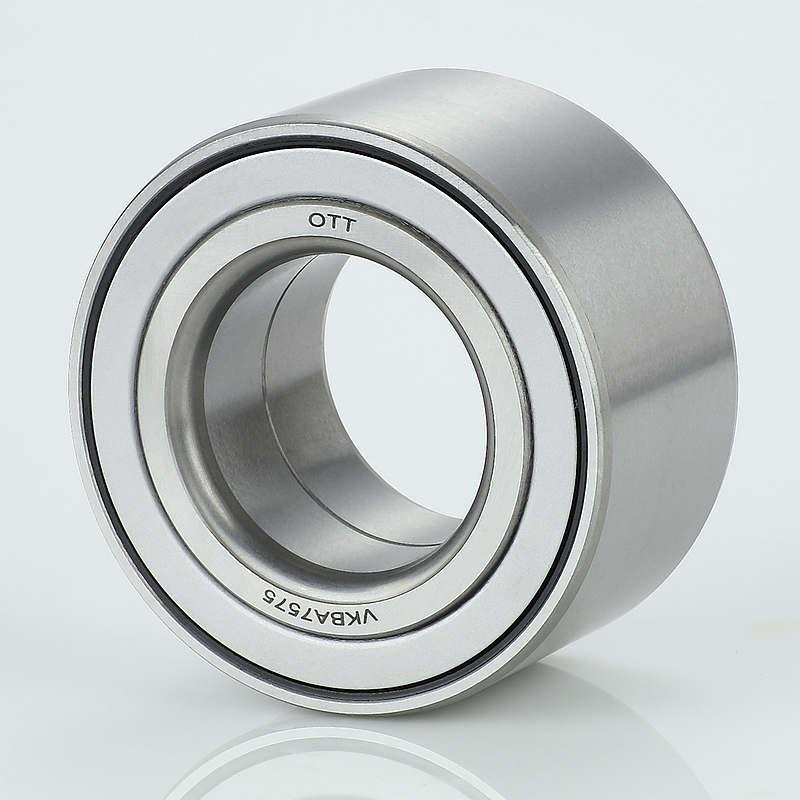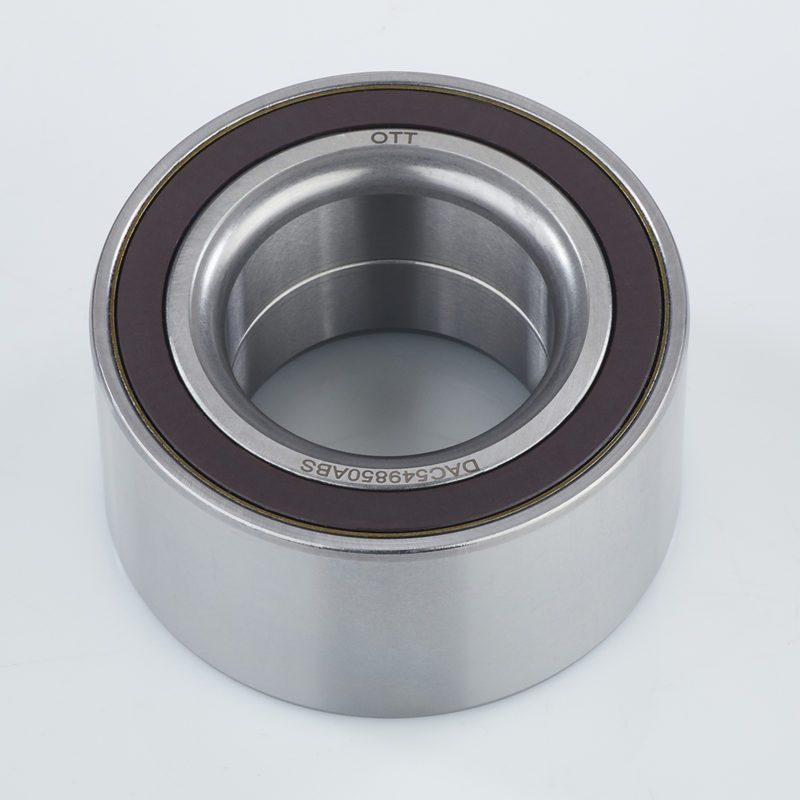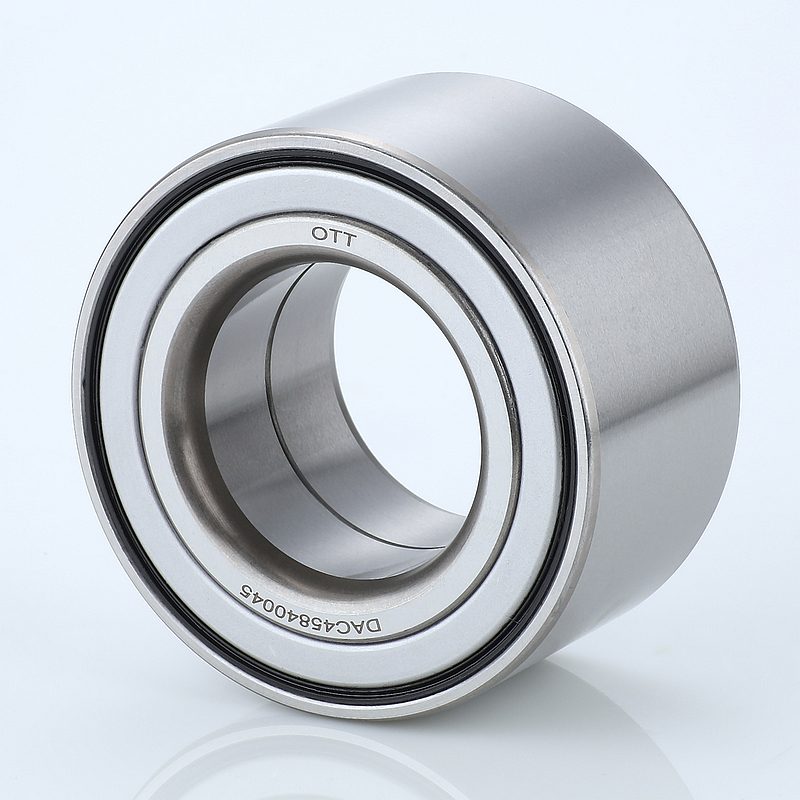
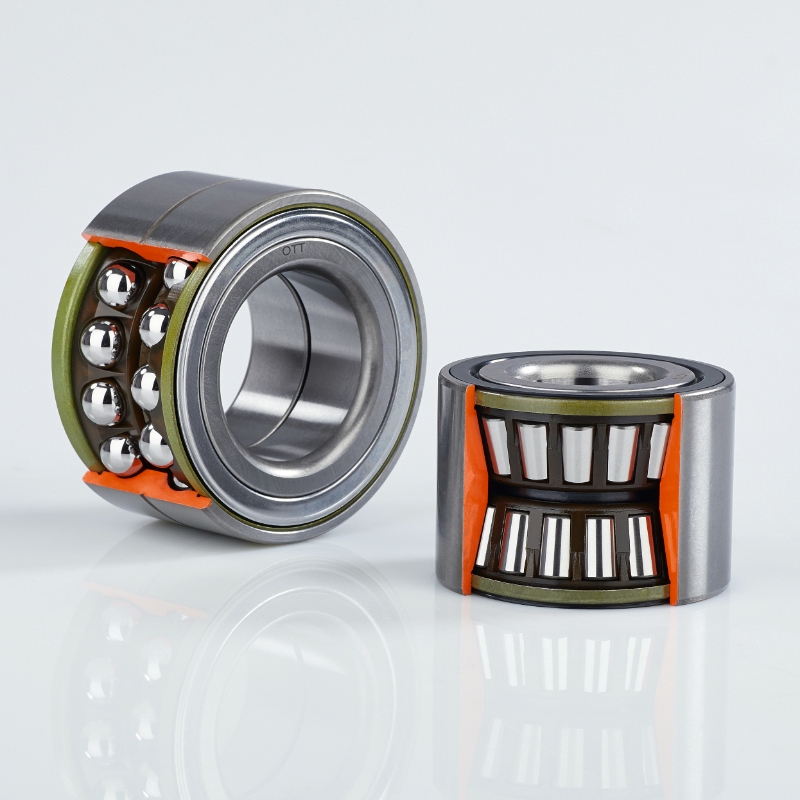
A wheel bearing is a safety-critical component — it is the only thing keeping the wheel attached to the vehicle while allowing it to spin freely. When a wheel bearing fails at highway speed, the result can be catastrophic: wheel separation, loss of steering, or brake failure. The good news is that wheel bearings almost always give warning signs well before they reach that point. Here are the 7 symptoms to watch for, starting from the earliest and most subtle.
Quick Answer: The 7 Signs
If you suspect a bad wheel bearing, here is what to check. A humming noise that gets louder with speed is the most common early sign. Grinding or growling means the bearing is further degraded. The noise changes when turning — this is the most reliable diagnostic clue. Other signs include steering vibration, uneven tire wear, ABS warning light, and wheel wobble when jacked up.
Read on for details on each symptom and how to diagnose which wheel is affected.
Sign 1: Humming Noise That Increases With Speed
The earliest and most common symptom. A failing wheel bearing produces a low, continuous humming or droning sound that starts around 30 mph (50 km/h) and gets louder as you go faster. It sounds like driving on a rough concrete highway — except the noise persists on smooth asphalt.
Many drivers live with this noise for weeks or months before realizing it is a bearing, often assuming it is road noise or tire noise. The key difference: tire noise changes with tire rotation (you hear a rhythm tied to wheel speed), while bearing noise is a constant, smooth drone without rhythmic variation.
Sign 2: Noise Changes When Turning
This is the most reliable way to confirm a wheel bearing problem and identify which side is failing. When you turn left, weight shifts to the right wheels, loading the right bearing more heavily. When you turn right, weight shifts left.
If the noise gets louder when turning left — the right wheel bearing is likely failing (it is carrying more load).
If the noise gets louder when turning right — the left wheel bearing is the problem.
Try this on a quiet road at 40-50 mph. Gently weave the steering left and right and listen for the noise to shift. This test is more reliable than any other DIY diagnostic method.
Sign 3: Grinding or Growling Sound
When the humming progresses to grinding or growling, the bearing damage is more advanced. The smooth raceways inside the bearing have developed pitting, spalling, or flat spots. Metal is now grinding against metal where there should be a smooth, polished surface.
At this stage, the bearing has months, not years of remaining life. Replacement should be scheduled soon — not urgently, but do not postpone indefinitely.
Sign 4: Steering Wheel Vibration
A worn bearing allows the wheel hub to develop microscopic play. At highway speeds, this play creates a vibration that transmits through the suspension and into the steering wheel. The vibration is usually a low-frequency shudder rather than the high-frequency buzz of an unbalanced tire.
The key diagnostic difference: tire balance vibration occurs at a specific speed range (typically 55-65 mph) and disappears above or below that range. Bearing vibration gets progressively worse as speed increases and does not go away at any speed.
Sign 5: Uneven Tire Wear
A failing bearing allows the wheel to sit at a very slight angle — too small to see by eye, but enough to cause uneven tire wear over thousands of miles. Look for the inside edge or outside edge of the tire wearing faster than the center.
This is a secondary diagnostic clue — many things cause uneven tire wear (alignment, inflation, suspension wear). But if you find uneven wear combined with noise, the bearing is almost certainly the cause.
Sign 6: ABS Warning Light
Modern wheel hub bearing assemblies include a built-in ABS tone ring — a toothed ring that the ABS sensor reads to measure wheel speed. When the bearing wears, the tone ring shifts position relative to the sensor, causing erratic or missing speed signals. The ABS module detects this and illuminates the ABS warning light.
If your ABS light comes on at the same time as wheel noise develops, it is a strong indicator that the wheel bearing assembly needs replacement — and since the tone ring is integrated into the hub, you must replace the entire hub assembly, not just the bearing.
Sign 7: Wheel Wobble (Jack Test)
This is the definitive DIY test. Jack up the suspected corner of the vehicle and grab the tire at the 12 o'clock and 6 o'clock positions. Try rocking the wheel toward you and away from you. Any detectable movement means the bearing has excessive internal clearance.
Then spin the wheel by hand. A healthy bearing spins freely with a smooth, quiet whir that gradually slows to a stop. A worn bearing produces roughness, grinding, clicking, or catches as it spins.
Warning: On vehicles with unitized hub assemblies (most modern cars), any play detected in this test means the bearing is severely worn and should be replaced immediately.
What Causes Wheel Bearings to Fail?
| Cause | How It Damages the Bearing | Prevention |
|---|---|---|
| Water intrusion | Water enters past worn seals, washes out grease, causes rust on raceways | Avoid deep water; inspect seals at service |
| Pothole / curb impact | Shock load creates flat spots (brinelling) on ball/raceway contact points | Avoid potholes; inspect after hard impacts |
| Incorrect installation | Over-torque damages preload; seal damage during fitting lets contaminants in | Follow OEM torque specs; use proper tools |
| Normal wear | Fatigue after millions of revolutions causes microscopic spalling | Replace at recommended interval |
| Low-quality bearing | Inferior steel, poor heat treatment, or inadequate seals shorten life dramatically | Source from a reputable manufacturer |
How Long Should Wheel Bearings Last?
Quality wheel bearings are designed for 85,000-100,000 miles (140,000-160,000 km) of normal driving. OTT wheel hub bearings, with our proprietary Carbonitriding (C-A) heat treatment, extend this to 5-10x longer fatigue life compared to conventional processing — validated through a 1,004-hour endurance test.
Factors that shorten bearing life include: aggressive driving, frequent pothole exposure, heavy vehicle loading (towing, heavy cargo), and operation in wet or salty environments. Factors that extend bearing life include: smooth driving, regular inspection, proper installation torque, and using quality bearings with robust seals.
Replacement Cost Breakdown
| Vehicle Type | Bearing Cost | Labor Cost | Total |
|---|---|---|---|
| Compact car (FWD) | $30-$60 | $80-$150 | $110-$210 |
| Mid-size sedan | $40-$80 | $100-$200 | $140-$280 |
| SUV / Truck | $50-$120 | $120-$250 | $170-$370 |
| Luxury / AWD | $80-$200 | $150-$350 | $230-$550 |
For aftermarket distributors and repair shops sourcing replacement wheel bearings in volume, OTT offers 200+ wheel hub bearing models covering 40+ vehicle brands, with cross-reference to SKF, FAG, KOYO, NTN, and NSK part numbers. View our wheel hub bearing catalog or contact us for distributor pricing.
Related Guides
- OTT Wheel Hub Bearing Catalog — 200+ models, all cross-referenced
- Wheel Hub Application Guide — C-A carbonitriding technology explained
- Alternator Bearing Replacement Guide — another common automotive bearing issue
- About OTT Bearing — factory tour and quality certifications